Park University to Host Women’s History Month Conversation with Kansas City Area Leaders
 February 28, 2024 — A trio of women leaders from the Kansas City area, all of whom are Park University alumni, will participate in an engaging Women’s History Month conversation hosted by the University on Wednesday, March 20. The one-hour event, which is open to the public, will take place in the Jenkin and Barbara David Theater inside Alumni Hall on the University’s flagship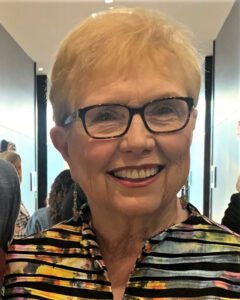
 Parkville Campus starting at 1 p.m. The discussion will also be livestreamed at parkumedia.com.
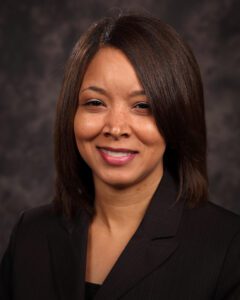
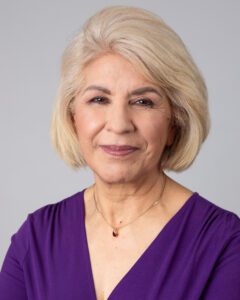
The women — Mary Lou Jaramillo (top left), Bridget Locke (top right) and Merideth Rose (below left) — will address their journey from the classrooms at Park University to their civic leadership roles. The discussion will be moderated by Kay Barnes (below right), Park University senior director for university engagement and former mayor of Kansas City, Mo. (1999-2007).
Jaramillo is a commissioner with the Kansas Hispanic and Latino American Affairs Commission. She previously served in leadership roles at the Mattie Rhodes Center in Kansas City, Mo., and El Centro in Kansas City, Kan. Jaramillo earned a Master of Public Affairs degree in nonprofit and community services management in 1996 and a Bachelor of Science degree in business in 1992, both from Park. Jaramillo was also a member of the University’s Board of Trustees from July 1998 to January 2003.
Locke, the director of strategic communications for Swope Health, Kansas City, Mo., previously served as the managing director for KC Mothers in Charge and director of strategic communications at Park University. She also held roles with the United Way of Greater Kansas City and at Donnelly College in Kansas City, Kan. In 2020, she established BNL Communications, a consulting agency. Locke earned a Master of Arts degree in communication and leadership from Park in 2018 and a Bachelor of Arts degree in communication and human development from the University of St. Mary, Leavenworth, Kan.
Rose is the president and chief executive officer at Cornerstones of Care, a behavioral health agency in Kansas City, Mo. She previously held roles with the Community Services League in Independence, Mo., the Independence School District and the Federal Emergency Management Agency. Rose earned a Master of Public Administration degree in project management in 2008 and a Bachelor of Arts in communication theory and human relations in 2006, both from Park.